Get Water Softener Installation
Water softener installation services help property owners eliminate hard water problems by installing systems that improve water quality and protect plumbing.
Property owners exploring water softening solutions often seek reliable installation services to address common issues like hard water buildup, mineral deposits, and appliance wear. Installing a water softener can improve water quality, extend the lifespan of plumbing fixtures, and reduce soap scum in sinks and showers. For those considering this upgrade, understanding the options available within the local area can help in planning a project that meets specific needs and preferences.
Local contractors specializing in water softener installation are equipped to handle a variety of property types and water conditions. Comparing different service providers can ensure the selection of experienced professionals who are familiar with local water quality challenges. Continuing to explore available options can help property owners make informed decisions about their water treatment needs and find the right solutions for their homes or businesses.
- Water Softener Installation - when hard water causes scale buildup and appliance issues in a home.
- Water Softener Replacement - if existing softeners are outdated or no longer effective at softening water.
- Whole House Water Softening - for households experiencing mineral deposits throughout their plumbing system.
- Commercial Water Softening - when businesses need to reduce mineral content to protect equipment and improve water quality.
- Water Softener Maintenance - to ensure optimal performance and longevity of the softening system.
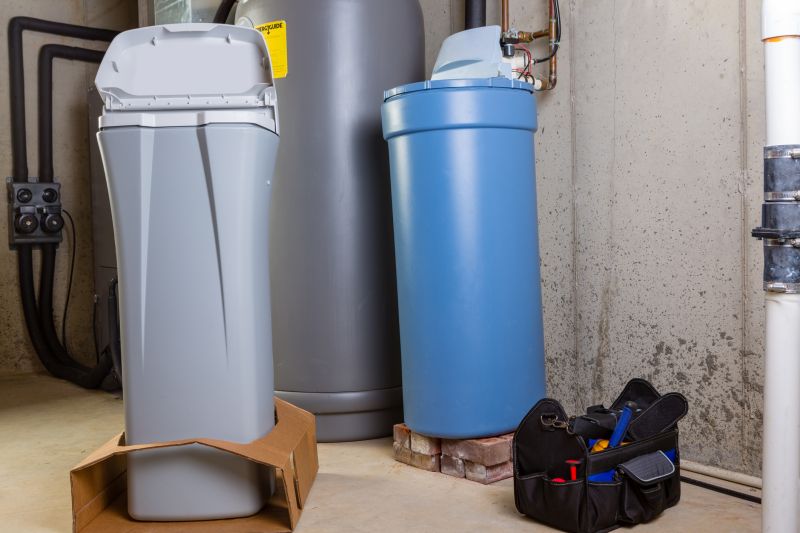
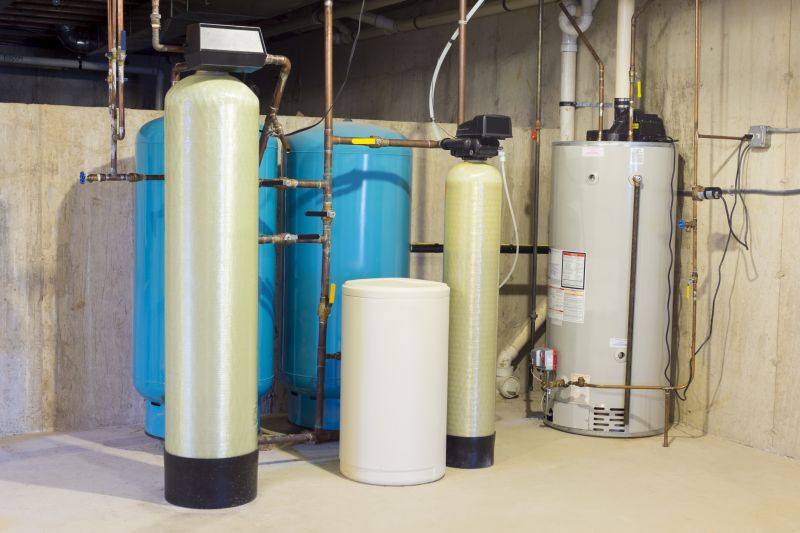
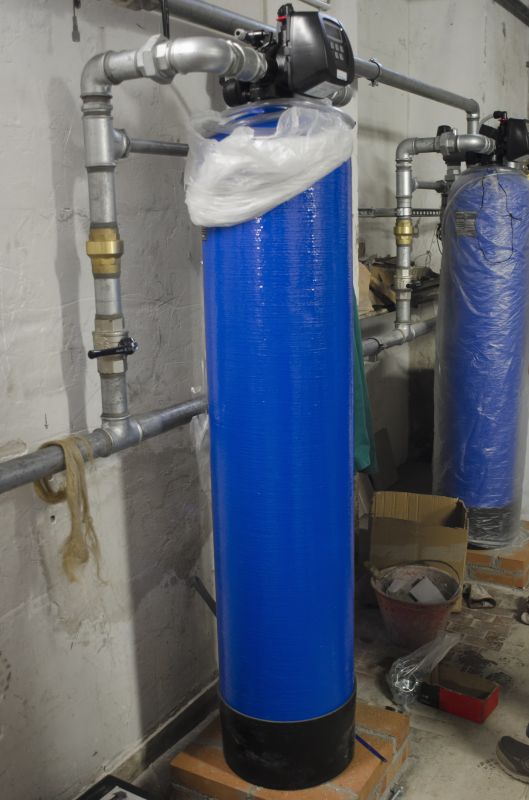
Water softener installation services involve setting up systems designed to reduce the mineral content in hard water supplies. These systems typically use a process called ion exchange to remove calcium and magnesium ions, which are responsible for water hardness. Proper installation ensures that the softening system functions effectively, providing homeowners with softer water for daily use. Professional contractors can assess the property’s plumbing and water quality to recommend the right type and size of water softener, ensuring optimal performance and longevity.
Hard water can cause a variety of issues in a home, including scale buildup in pipes, appliances, and fixtures. This buildup can lead to reduced water flow, increased energy costs, and damage to appliances like dishwashers and water heaters. Additionally, hard water can make soap less effective, resulting in soap scum and residue on skin, hair, and laundry. Installing a water softener helps mitigate these problems by treating the water at the point of entry, preventing mineral deposits and improving overall water quality throughout the property.
Properties that typically benefit from water softener installation include single-family homes, multi-unit residential buildings, and even some commercial properties. Homes with noticeable mineral deposits on fixtures, or those experiencing frequent plumbing issues, often find softening systems to be a practical solution. Additionally, properties with appliances that rely on water-such as water heaters, dishwashers, and washing machines-may see increased lifespan and efficiency after installation. Whether a residence has well water or municipal supply, local contractors can evaluate the specific water conditions to recommend suitable softening options.
For homeowners considering water softener installation, connecting with experienced local service providers can ensure the system is properly selected and installed. These professionals can evaluate the property’s water quality, plumbing configuration, and specific needs to recommend the most effective solution. Proper installation not only helps resolve existing water-related problems but also prevents future issues caused by mineral buildup. Contacting local contractors is a practical step toward achieving better water quality and protecting household plumbing and appliances.
The overview below groups typical Water Softener Installation projects into broad ranges so you can see how smaller, mid-sized, and larger jobs often compare in your area.
In many markets, a large share of routine jobs stays in the lower and middle ranges, while only a smaller percentage of projects moves into the highest bands when the work is more complex or site conditions are harder than average.
Smaller Repairs - Basic water softener repairs or minor component replacements typically cost between $150 and $400. Many routine fixes fall within this range, depending on the specific issue and parts needed.
Partial System Upgrades - Upgrading parts of a water softening system, such as installing new resin or controls, generally ranges from $500 to $1,200. These projects are common and usually sit in the middle of the cost spectrum.
Full Water Softener Replacement - Replacing an entire water softening unit with a new system often costs between $1,500 and $3,500. Larger, more complex installations can reach $4,500 or more, though such projects are less frequent.
Complex or Custom Installations - Custom or high-capacity systems for larger homes can exceed $5,000, reflecting the scale and complexity of the work involved. These projects are typically at the higher end of the cost range for water softener services.
Actual totals will depend on details like access to the work area, the scope of the project, and the materials selected, so use these as general starting points rather than exact figures.
Water Filtration System Installation - local contractors skilled in installing filtration units often have experience with water treatment systems similar to softener setups.
Reverse Osmosis System Setup - professionals who install reverse osmosis units are familiar with plumbing modifications and water quality improvements akin to water softening projects.
Plumbing Repairs and Upgrades - plumbers handling general water line repairs and upgrades possess the skills necessary for installing and integrating water softening equipment.
Water Heater Installation - installing water heaters involves plumbing and water flow planning skills relevant to softener system setup and integration.
Main Water Line Replacement - replacing or rerouting main water lines requires planning and plumbing expertise similar to softener system installation.
Water Testing and Treatment Consulting - specialists providing water testing and treatment recommendations often work closely with softener installation projects to improve water quality.
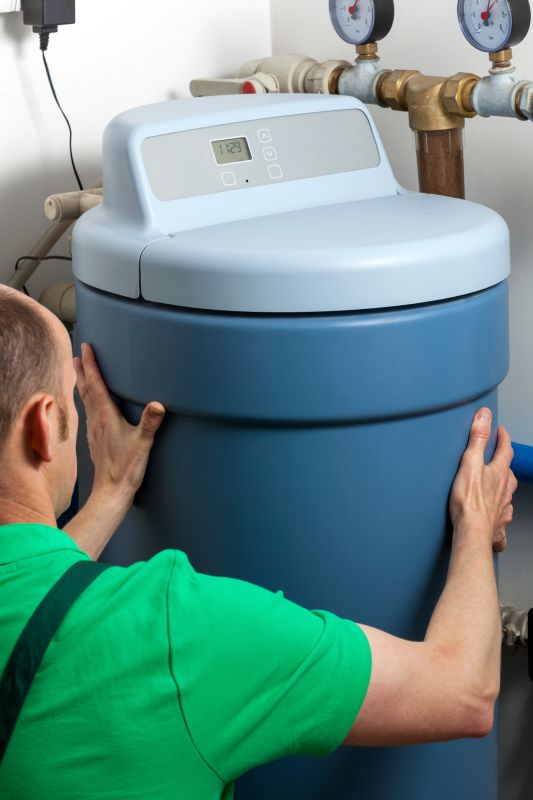
When comparing local contractors for water softener installation, it’s important to consider their experience with similar projects. Homeowners should seek service providers who have a proven track record of installing water softeners in homes with comparable water quality challenges and household sizes. An experienced professional is more likely to understand the specific requirements of different systems and navigate potential installation issues efficiently, helping to ensure the job is done correctly the first time.
Clear, written expectations are essential when evaluating potential service providers. Homeowners should look for contractors who provide detailed estimates outlining the scope of work, materials to be used, and any necessary preparations or follow-up steps. Having this information in writing helps prevent misunderstandings and ensures that both parties are aligned on the project’s objectives, making the process smoother and more transparent.
Reputable references and good communication are key indicators of a trustworthy local contractor. Homeowners can ask service providers for references from past clients with similar projects to gain insight into their reliability and quality of work. Additionally, a contractor’s responsiveness and clarity in communication can make a significant difference throughout the installation process, providing confidence that questions will be answered promptly and concerns addressed thoroughly. It’s important to remember that this site introduces homeowners to local options, but the actual installation work is handled by the selected service providers.
Property owners use Water Softener Installation services for practical projects around their homes and businesses. This guide focuses on everyday jobs and straightforward project options.
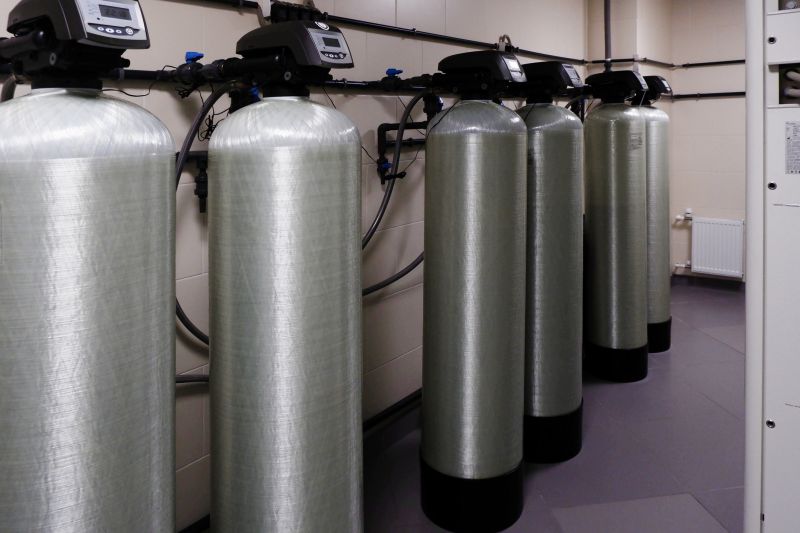
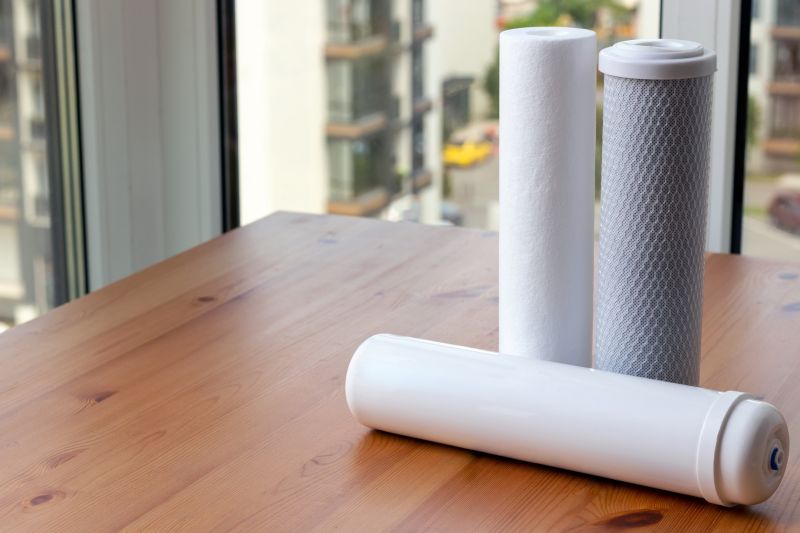
Water softener installation services are often sought by property owners experiencing issues with hard water. Common situations include noticing mineral buildup on fixtures, soap not lathering properly, or feeling that water feels rough or gritty. These everyday problems can affect the efficiency of appliances, cause scale buildup, and lead to higher maintenance needs. Local contractors who specialize in water softener systems can assess these issues and provide solutions to improve water quality, helping residents enjoy softer, more manageable water throughout their homes.
Many property owners consider water softener installation when upgrading or replacing outdated systems, or when installing new appliances that require softer water for optimal performance. Additionally, those living in areas with naturally hard water may seek these services to reduce mineral deposits and extend the lifespan of plumbing fixtures and appliances. Local service providers can handle these installations efficiently, ensuring that households experience the benefits of softened water without the hassle of managing the process themselves.
What is a water softener and how does it work? A water softener is a device that removes minerals like calcium and magnesium from household water, helping to reduce scale buildup and improve water quality. It typically uses an ion exchange process to soften the water before it reaches your taps.
Why should I consider professional installation for a water softener? Professional installation ensures that the water softener is correctly set up and integrated with your home's plumbing system, which can help prevent issues and ensure optimal performance by local contractors experienced in such services.
What are the signs that I need a water softener? Common signs include soap scum buildup, scale deposits on fixtures, dry skin after bathing, and reduced efficiency of appliances that use water, indicating that a water softener might be beneficial.
Can a water softener be installed in any home? Most homes with a standard plumbing system can accommodate a water softener, but a local service provider can assess the specific plumbing setup to determine compatibility and the best installation options.
What maintenance is required for a water softener? Regular maintenance typically involves replenishing salt, cleaning the resin tank, and inspecting the system for proper operation, which local contractors can assist with during routine service visits.
Improve Water Quality - Installing a water softener can help reduce mineral buildup, making household water safer and more pleasant for everyday use.
Protect Plumbing Systems - Softening hard water can prevent scale buildup in pipes and appliances, extending their lifespan and reducing maintenance needs.
Enhance Laundry and Dishwashing - A water softener can make detergents more effective, resulting in cleaner clothes and dishes with less residue.
Reduce Soap and Detergent Use - Softer water allows for less soap in cleaning routines, saving money and minimizing soap scum around the home.
If you are thinking about Water Softener Installation for a property, this guide is meant to help you understand the work, the typical project types, and how different options might fit your plans.
When you are ready, you can use the quote form on this page to share a few details about your project. From there, local pros can review the basics and respond with options that match what you have in mind.